At Lindsay Kiriakos MD in California, we understand the challenges of performance and speech anxiety. This condition, often termed ‘stage fright,’ can significantly impact personal and professional life. Dr. Kiriakos specializes in evidence-based therapies designed to help individuals manage and overcome these intense feelings of dread and self-consciousness. Our approach focuses on empowering you to speak and perform confidently in any setting.

Performance and speech anxiety is an intense fear of being the center of attention, particularly during public speaking or performing. It often manifests as significant physical and emotional distress in situations where one anticipates being evaluated. This anxiety is categorized as a specifier under Social Anxiety Disorder in the DSM-V, highlighting its specific focus on performance-related fears.
Physical symptoms are common and can be quite distressing, including a racing heart, shortness of breath, and excessive sweating. Many also experience noticeable trembling in their hands or voice, along with blushing. These reactions are part of the body’s ‘fight or flight’ response.
Cognitive symptoms involve persistent negative thoughts and self-criticism about one’s performance. Individuals may anticipate failure, fear judgment, or struggle with mental blanks during crucial moments. This self-defeating internal dialogue exacerbates the anxiety.
A primary behavioral symptom is the tendency to avoid situations that trigger performance anxiety. This might mean declining public speaking opportunities or withdrawing from social events where attention might be drawn to them. While offering temporary relief, avoidance prevents overcoming the fear.
During a performance or speech, many individuals find it challenging to concentrate or organize their thoughts effectively. The overwhelming anxiety can hijack cognitive resources, making it hard to recall information or maintain a coherent presentation. This can lead to frustration and perceived underperformance.
At the core of performance anxiety is often an intense fear of negative evaluation or humiliation from others. This fear can be disproportionate to the actual risk, leading to heightened self-consciousness and a focus on potential flaws. The anxiety is typically most severe just before and at the beginning of the performance.
Cognitive Behavioral Therapy (CBT)
Relaxation Training Techniques
Cognitive Therapy for negative thoughts
Gradual Exposure to anxiety-provoking situations
Assertiveness Training for communication skills
Medication management, when appropriate
Individuals experiencing significant distress or impairment due to fears of public speaking or performing are ideal candidates. This includes professionals, students, or anyone whose daily life is negatively impacted by the condition. Those who frequently avoid opportunities due to anxiety may also benefit.
Candidates should be motivated to engage in evidence-based therapeutic approaches like Cognitive Behavioral Therapy. A willingness to practice techniques outside of sessions and confront anxiety-provoking situations is crucial for successful outcomes. Active participation is key to progress.
People seeking a structured, goal-oriented approach to managing their anxiety are well-suited for these treatments. If you are looking for practical tools and strategies to regain control over your reactions, therapy can provide a clear pathway forward. A commitment to the process enhances therapeutic effectiveness.
Those who have received a diagnosis of Performance Anxiety or Social Anxiety Disorder with a performance specifier from a mental health professional are eligible. A thorough evaluation ensures that the treatment plan is tailored to the specific needs and clinical presentation of each individual. This personalized approach maximizes the potential for relief.
Patients experience a significant decrease in the physical and cognitive symptoms associated with performance anxiety. This includes less heart racing, sweating, and trembling, along with a reduction in negative self-talk. You can approach presentations feeling calmer and more composed.
Treatment helps build self-assurance in situations previously avoided or feared. You will develop effective coping mechanisms and gain a stronger belief in your ability to perform well. This newfound confidence extends beyond performance contexts into daily interactions.
By learning to manage anxiety, individuals can better focus on the task at hand, leading to clearer thinking and articulation. This directly translates to more effective public speaking, presentations, and creative endeavors. Your true abilities can shine through without anxiety hindering them.
Overcoming performance anxiety opens up new personal and professional opportunities that were once inaccessible. Engaging more freely in social events and career advancements contributes to greater overall satisfaction. Life becomes less constrained by fear and avoidance.
Therapy provides durable tools and techniques for managing future stressful situations. You will learn to identify triggers, challenge unhelpful thoughts, and employ relaxation methods independently. These skills empower you to maintain progress and prevent relapse long after treatment concludes.
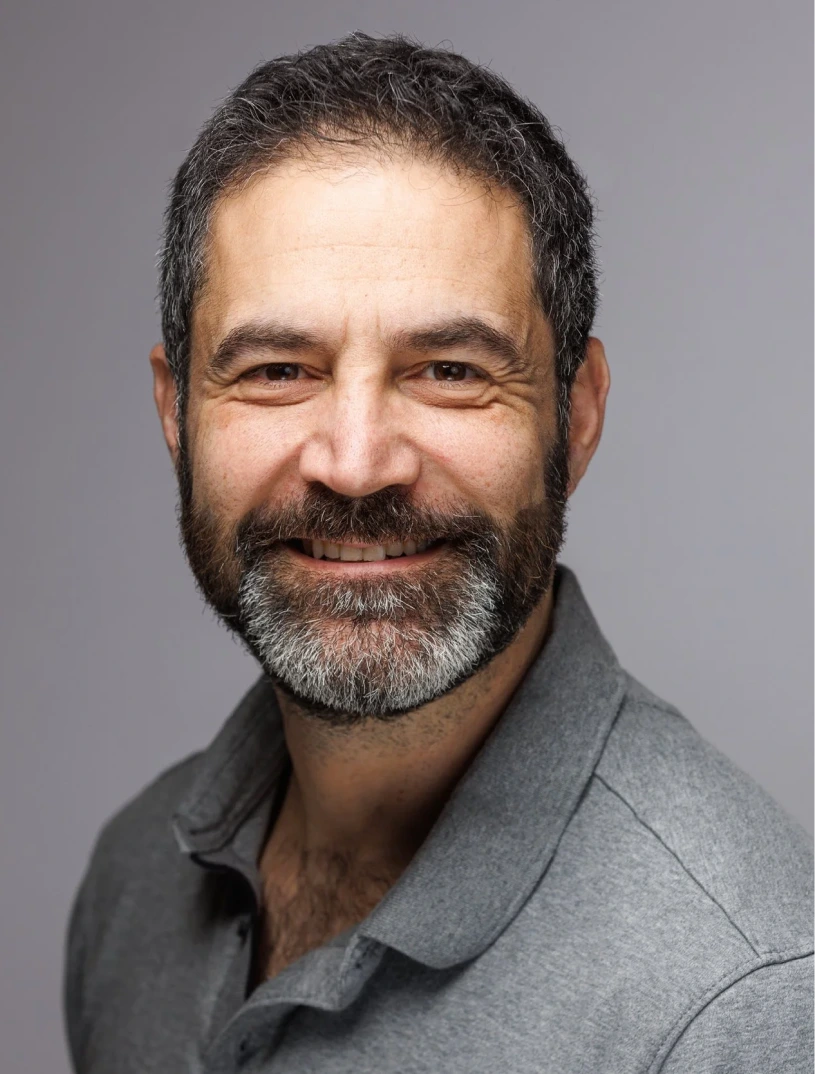
Lindsay Kiriakos MD offers specialized, evidence-based treatment for performance and speech anxiety. Dr. Kiriakos is a board-certified psychiatrist with extensive experience, including former clinical instructor roles at the UCLA Anxiety Disorders Clinic. He is certified in Cognitive Behavioral Therapy and has successfully treated over 800 patients using these scientifically validated techniques.
Not sure which treatment is best for you?

“I began working with Dr. Kiriakos last August during a period of significant panic and anxiety. From our first session, he was attentive, thoughtful, and highly skilled in guiding me through what felt like an unmanageable situation.”
- steven
Meet Our Provider
